SÍNTOMAS DE DIFERENCIAL DAÑADO. DIAGNÓSTICO DE LOS RUIDOS PARTE 2
Si sigues con el misterio de los ruidos del diferencial y sigues sin entender claramente, entonces, con suerte, la información de este artículo te pueda aclarar las dudas. Cualquiera que haya estado alrededor de los vehículos 4x4 de tracción en las cuatro ruedas probablemente haya oído hablar o experimentado algún comentario acerca de “positracción” Cuando un diferencial positraccion se quiebra es un ruido que es muy reconocible y ocurre cuando hay demasiada fricción en los embragues. DIFERENCIALES DE DESLIZAMIENTO LIMITADO (POSITRACCION), COMO FUNCIONA Algunos entusiastas del todoterreno intencionalmente configuraran su diferencial “positraccion” de esa manera. Es un sonido que suena como si alguien estuviera golpeando la parte trasera con un enorme mazo. Es más frecuente cuando estas en reversa en un estacionamiento y donde los transeúntes se detienen y miran fijamente), y empeora a medida que el diferencial se calienta. También estos sonidos tienden a aparecer cuando estás saliendo de las rampas de salida a la autopista o vas a doblar en un esquina después de detenerte en un alto. Cuando los engranajes satelitales se quiebran tienen un sonido similar, cuando el diferencial positraccion se quiebra el sonido es sólo más consistente, independientemente de la temperatura del aceite. Los engranajes satelitales rotos emitirán un sonido como moliendo o golpeando cada vez que el vehículo esté haciendo algún giro y si están demasiado malos aunque se maneje en línea recta se escucharan los sonidos. Las vibraciones de la transmisión pueden deberse a varios problemas. Desgaste en las juntas universales o una transmisión que está desbalanceada son a menudo el problema, pero el ángulo de la línea de transmisión puede hacer que una línea de transmisión balanceada con buenas juntas vibre. Si las juntas están en mal estado, pueden causar varios ruidos diferentes, desde ruidos agudos (chillidos), golpes, moliendo y vibraciones. Si la línea de transmisión está desbalanceada, vibrará con un tono constante que aumenta a medida que aumenta la velocidad del vehículo. Si el eje del piñón está desalineado y no en paralelo con el yugo de la transmisión, la diferencia en los ángulos entre las juntas delanteras y traseras puede hacer que la transmisión vibre. Si la vibración se debe a ángulos incorrectos, creará un sonido cíclico que aumenta o disminuye en intensidad. Un problema de desalineación también se puede identificar por el cambio en el ruido al acelerar o desacelerar. A medida que el torque del piñón del yugo sube por la aceleración, o baja por la desaceleración, el ángulo de la junta universal trasera cambia y hace que cambie la vibración. Un engranaje lateral desgastado en el carrier generalmente causará un sonido de clic cuando el vehículo está bajando de velocidad a aproximadamente 20 millas por hora hasta detenerse. Si el área que soporta el engranaje lateral se desgasta demasiado al mantener el engranaje lateral en su lugar, el engranaje lateral “rodará” los engranajes del piñón satelital hará un ruido de clic. Si el problema con su diferencial aún persiste y sigues sin tener claro una solución y no quiere tomarse el tiempo para buscar más datos puedes manejarlo hasta que se destruya. El problema será mucho más claro, aunque mucho más caro.
SÍNTOMAS DE DIFERENCIAL DAÑADO. DIAGNÓSTICO DE LOS RUIDOS PARTE 1
El siguiente articulo es una serie de 2 artículos seguidos que tratan acerca de los ruidos que pueden hacer los diferenciale cuando se dañan, espero que les guste. Y si gustas seguirme en las redes lo puede hacer. Muchas cosas pueden salir mal dentro de un diferencial. Aunque las sugerencias suelen ser sutiles, la mayoría de las fallas inminentes dan una advertencia justa en forma de ruido. Varias situaciones pueden crear un ruido en las relaciones piñon corona. Si los engranajes han estado en silencio y comienzan a tener un sonido agudo probablemente estén desgastados o se empiezan a desgastar. Si las relaciones experimentan un sonido agudo (chillan) solo durante la desaceleración, es posible que la precarga de los cojinetes del piñón se haya aflojado. Un sonido agudo (chillido) al acelerar en todas las velocidades indica que algo en el diferencial (engranajes, piñón o portador de los cojinetes se ha desgastado o ya no mantiene la alineación correcta de los engranajes. Si los engranajes chillán mientras aceleran a un cierto rango de velocidad, pero no en todas las velocidades, es probable que los engranajes estén desgastados debido a fallas de lubricación o sobrecarga. Cuando un set de engranajes recién instalado chilla, sospeche del diseño o la configuración. Un problema común son los cojinetes desgastados en el carrier, se escucharía como un retumbo con un tono bajo cuando estas viajando a más de 20 mph. En vehículos que tienen ejes con seguro C-clip el ruido puede variar al realizar giros. Los cojinetes del piñón desgastados pueden causar ruidos a todas las velocidades, al desacelerar y / o acelerar. Los cojinetes del piñón tienden a rechinar, en lugar de retumbar, porque el piñón gira varias veces más rápido (dependiendo de la relación de transmisión). Los cojines muy desgastados también pueden provocar chillidos si los engranajes no están instalados correctamente. Los rodamientos desgastados pueden ser difíciles de determinar. Un rodamiento en muy mal estado suele hacerse escuchar con gran claridad; es el rodamiento el que va mal, pero no está totalmente destruido, lo que es difícil de encontrar. Ir hacia adelante y hacia atrás, hacia la derecha e izquierda se puede identificar al culpable; pero según el autor se ha sentido engañado con los rodamientos de la rueda delantera derecha que hacen ruido al girar a la derecha.(Que en gran medida carga el rodamiento de la rueda interior izquierda frontal, y también carga el rodamiento exterior delantero derecho) Una situación común que puede que no haga ningún ruido: es el giro del piñón pero las llantas no giran. Los engranajes satelitales rotos pueden inmovilizar el diferencial y, por lo general, emitir un sonido fuerte y crujiente cuando llegan a su punto final. Una corona rota permitirá que el diferencial le dé un impulso al vehículo durante unos dos metros y medio a la vez y luego golpea o rechina cuando la sección con los dientes rotos intente enganchar el piñón. Dependiendo de la relación, un diente del piñón roto chocará cada dos o tres pies. Un eje roto se verá fácilmente. Una vez que se rompe, un eje con diseño y seguro C-clip se puede sacar de la carcasa sin desatornillar nada, o incluso puede encontrar su propia salida. En muchos ejes de diseño atornillado, cuando el eje está quebrado la rueda se inclinara en ángulo. Un punto alto en el diente de un engranaje puede tener un sonido similar a un engranaje roto, pero solo hará ruido al acelerar o desacelerar, ya que el punto aparece en un solo lado del diente dañado. Un punto alto en la corona producirá un sonido fuerte como un clic cuando avanza cada dos metros y medio; un punto alto en el piñón hace ruido cada dos o tres pies y es mucho más pronunciado debido a su alta frecuencia. Ya sea grande o pequeño, el ruido en un diferencial te está diciendo algo. ¡Escucha cuidadosamente! En caso de duda, retire la tapa o retire el tercer miembro para ver más de cerca. Verificar que una parte esta mala antes que arruine los demás componentes definitivamente vale la pena el esfuerzo.
ACTUALIZAR LA RELACION DE TRANSMISION DE SU TOYOTA
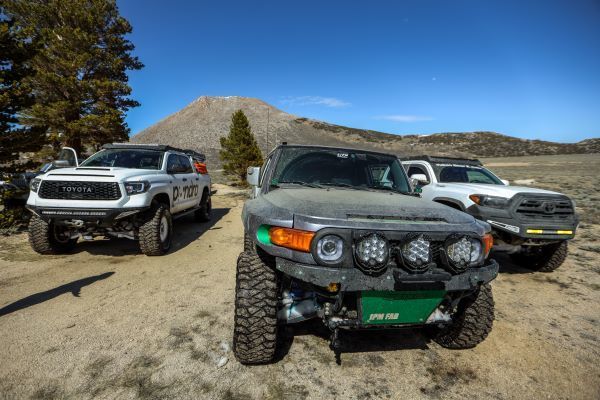
Como todos sabemos Toyota se ha ganado esa reputación de excelencia cuando se trata de los vehículos para offroad la forma como son abusados y la forma de superar los obstáculos. Lo entendemos. Por esa misma razón el fabricante Yukon ha desarrollado cientos de componentes que van con la calidad que Toyota se merece. Si eres dueño de un vehículo Toyota y quieres ser el mejor en los senderos debes de utilizar los bloqueadores Grizzly, Bloqueadores Spartan, los de deslizamiento limitado Dura Grip, Master Overhaul Gear Kits, las relaciones completas de piñon corona y más. ¿Vas a utilizar llantas grandes en tu Toyota? Instalar llantas grandes es una de las modificaciones más comunes cuando eres entusiasta de los senderos y te gusta manejar por terrenos difíciles. Ya sea que le guste como se ve su vehículo o estás planeando irte off road es aconsejable reconocer que sus llantas de 35”, 37” o 40” deben de ser más que una simple instalación. Instalar este tipo de llantas grandes en su 4x4 es el comienzo del proceso, no el final. Algo que hay que tener presente es que al instalar una llanta con una circunferencia más grande que la original cambiará la relación de transmisión final y puede alterar negativamente su rendimiento. Los cambios pueden afectar la aceleración, la conducción en carretera y muchos aspectos de rendimiento durante el off road. Cambiar la relación de transmisión en los diferenciales delanteros y traseros de su Toyota puede que se recupere las características de conducción de su vehículo. El fabricante de relaciones Yukon ofrece este tipo de componente a los Toyotas 4Runners de 1996 en adelante, Tacomas de 95 en adelante y Tundras de 2000 en adelante. ¿Estás buscando más tracción? Aquí en esta página del fabricante puedes encontrar tres excelentes opciones de tracción: el LSD de positraction Yukon Dura Grip, el bloqueador Grizzly Yukon y el bloqueador Spartan. Donde un diferencial abierto dejará libre la llanta que carece de tracción, el diferencial de deslizamiento limitado Dura Grip utiliza un clutch para canalizar la tracción hacia la llanta que tiene el mejor agarre. En su estado estático, la unidad está precargada y proporciona tracción a ambas ruedas. Cuando está bajo aceleración, en una curva o cuando la llanta patina durante el offroad los paquetes del clutch aplicarán más par a la rueda que tiene la mejor tracción y reducirán la transferencia de potencia a la rueda que patina, dándole una tracción equilibrada cuando se necesita. Todos los engranajes Dura Grips para los Toyota están diseñados con cuatro piñones hechos para trabajo pesado, construidos con una caja de hierro nodular de alta resistencia, engranajes satelitales de cromoly forjado 4320 y un clutch de alta calidad. Cabe señalar que los paquetes de clutch se pueden reconstruir para devolver el rendimiento original o pueden usar diferentes clutch para ajustar el rendimiento del Dura Grip para que se adapte mejor a su estilo de conducción. Los bloqueadores son el mejor componente y el mejor aliado para los 4x4 off road, ya que brindan una tracción que lo hacen superior en los senderos y, al mismo tiempo, conservan la capacidad de conducción casi estándar en la carretera. El bloqueador Grizzly de Yukon es un bloqueador mecánico / automático que no requiere activación neumática o electrónica. Reemplaza todo el carrier y proporciona una fuerza de sujeción increíble, partes internas forjadas y una carcasa de acero de aleación 8620 con bajo contenido de níquel forjado que es mucho más robusto que el carrier original reemplazado. Durante la conducción acelerada se aplica carga al diferencial que induce el bloqueo, enviando el 100 por ciento de la potencia a ambas llantas por igual. El Bloqueador Spartan genera una tracción total y confiable a un bajo costo. El Bloqueador Spartan no es un componente singular que se cambia, sino una colección de partes que convierte a un carrier de diferencial abierto en un bloqueador mecánico. Un típico bloqueador Spartan consta de un par de impulsores, dos acopladores laterales, cuatro pasadores de alineación, cuatro resortes, un eje de pasador transversal, y cables de instalación. Estos bloqueadores cuentan con acopladores de acero 9310 con tratamiento térmico para una mayor durabilidad. Las ventajas de utilizar un bloqueador Spartan es el bloqueo del 100%. Cuestan menos de la mitad del precio de un bloqueador operado por aire, y recuerde que esto es antes de tener en cuenta el costo de un sistema operativo neumático. Además, los bloqueadores Spartan cuestan aproximadamente un tercio del precio de un bloqueador mecánico de marco grande. Cuando se trata de una instalación fácil y barata no hay como irte por un bloqueador Spartan. Dado que requiere menos mano de obra que un bloqueador de estructura grande, instalar un Spartan Locker cuesta menos. También puedes ahorrar mucho más si usted mismo hace la instalación. ¿Tiene un tren motriz desgastado? Cuando se trata de mantenimiento de un diferencial, los kits de reacondicionamiento de Yukon son excelentes porque ofrecen todas las piezas pequeñas de alta calidad que necesita para hacer bien el trabajo. Los kits Master Overhaul de Yukon son los kits más completos del mercado porque han hecho toda la investigación para asegurarse de que cada kit está diseñado especialmente para la aplicación Toyota. Carcasas reconstruidas de Toyota Haga que el cambio de los engranajes para su Toyota sean un éxito, lo recomendado es que ordene todo el ensamble completo. Al tomar esta ruta te dará un diferencial preconstruido con la relación que desea instalar y, al mismo tiempo, le ahorra muchísimo tiempo. Estos componentes heavy duty de Yukon son una opción muchísimo mejor que las originales ya que proporcionan más resistencia, lo que garantiza que estén listos para resistir cualquier abuso que pueda encontrar en los senderos. Puede optar por actualizar sus engranajes con bridas de piñón perforadas dobles o triples, espaciadores de piñón sólido y calzas también puedes agregar un diferencial de deslizamiento limitado bloqueador de positracion. Un beneficio adicional de este enfoque es el costo de instalación. Ir con una carcasa reconstruida reduce el tiempo de inactividad y ahorra dinero en mano de obra. Además, aquellos que se sientan cómodos cambiando la carcasa pueden encargarse de la instalación ellos mismos, ahorrando aún más dinero. Echa un vistazo a estas carcasas de diferencial para Toyota con motores V6 (YP DOTV6) y Toyota con 8 " (YP DOT8). Yukon también ofrece engranajes satelitales yugos, ejes y piezas pequeñas específicas de Toyota, como bujes, juntas en U, sellos, calzas, pasadores transversales, arandelas y tuercas. El mensaje fundamental aquí es que los dueños de Toyota que esperan que sus vehículos cumplan con el trabajo en los senderos o los de uso diario que principalmente conducen en la calle han encontrado el lugar perfecto para la siguiente modificación. Que te pareció el articulo lo ves importante me gustaria ver la opinión. Si usted maneja un producto o servicio o taller que está dirigido al sector 4x4, camping y overland esta es una excelente oportunidad de llegar a su mercado y lo mejor te lo ofrezco gratis. Mi página es vista en todo latín América. Yo tengo un área en mi página que estará dedicada a lo que es este tipo de servicio, yo se que muchos de ustedes tienen su negocio taller pequeño y no tienen como tener una página yo te puedo ayudar con esa oportunidad y darte un espacio para que las personas que visitan mi pagina puedan conocer de usted. También si eres parte de un club 4x4 de cualquier tipo yo te puedo agregar tu información también. No importa de qué país eres si quieres que agregue tu negocio en mi página déjamelo saber y llene el siguiente formulario. dele un click aqui Déjame saber que articulos te gustaría que publique.
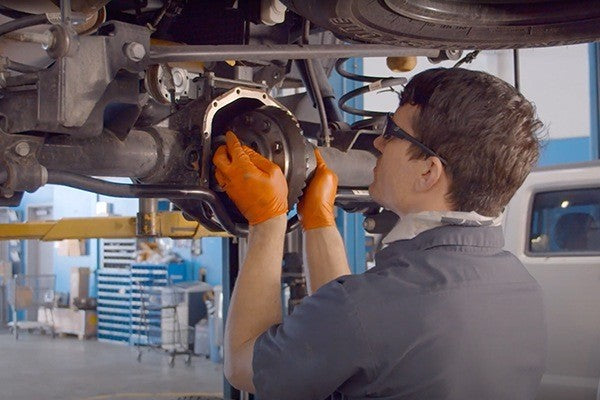
DIFERENCIAL 4X4 REEMPLAZO DE ENGRANAJES Y PROCESO DE ACOPLAMIENTO VIDEO
El acoplamiento de los engranajes consiste en un ciclo de calor controlado del set de engranajes de una manera que hará que endurezca adecuadamente la superficie de contacto. Es una serie de pruebas de manejo. Estas primeras millas de manejo son cruciales pueden marcar la diferencia entre un dolor de cabeza que hace derretir el engranaje y años de conducción sin preocupaciones. Si el proceso de acoplamiento no es seguido de la forma correcta los engranajes se pueden dañar, fallan los engranajes y tendrás que volver a instalar nuevos por completo. Una vez que has guardados las herramientas y los engranajes se han instalado correctamente con todos los componentes correctamente configurados, aún quedara mucho por hacer. El set debe de engranajes debe acoplarse conduciendo por carreteras urbanas y carreteras abiertas porque los diferentes rangos de velocidad del vehículo producen diferentes ciclos de calor. Remolcar un objeto pesado es totalmente juego completamente diferente. Si vas a remolcar necesitará un ciclo de acoplamiento adicional porque la física de remolcar ejerce una presión adicional sobre el piñón y cambia ligeramente su posición en los dientes de la corona es como si estuviera endureciendo un nuevo punto en los dientes del engranaje. Vea el video abajo producido por la compañía Yukon expertas en relaciones para diferenciales 4x4 para más detalles sobre los procedimientos adecuados del acoplamiento de los engranajes. El video esta en ingles pero primero lo puedes ver y segundo puedes leer el articulo abajo que es lo mismo del video pero es en español. Relacion de transmision engranajes acoplamiento correcto- Video Hola, amigos, gracias por acompañarnos de nuevo para recibir otro consejo técnico de Yukon. Hoy vamos a hablar sobre probablemente el paso más crucial, y es el acoplamiento de los engranes del diferencial, y ese es el proceso para cualquier nuevo piñón y corona. Es muy similar y es muy, muy importante si quieres que estos engranajes te duren mucho tiempo y hagan todo lo que les pides. Durante los primeros dos kilómetros después de haber instalado el nuevo set y todos los componentes instalados correctamente. Los primeros dos kilómetros que conduzca serán a velocidades de ciudad, de 15 a 20 millas por hora. Deténgase y deje que se enfríe durante aproximadamente media hora y luego vuelva a hacerlo, es como ir en su vehículo almorzar a algún lugar, tómese mi tiempo. Cuando regresas deja que se enfríe de nuevo y la próxima vez que salgas vas a hacer algunos recorridos por carreteras abiertas y eso será similar. Vas a recorrer unos 25 Km, deja que se enfríe unos 20 minutos, y vas a hacer eso durante las primeras 75 km más o menos, deteniéndose cada 25 km y dejando que se enfríe. Pueda que sea un dolor de cabeza, pero a largo plazo vale la pena, cuando estos engranajes no se acoplan correctamente se empezaran dañar por dentro como a sobrecalentarse y empezaras a escuchar un fuerte ruido metálico dentro de tu diferencial. Otra parte importante de eso es el aceite para engranajes de buena calidad, por lo que al principio durante el acoplamiento la mayoría de las veces no se recomienda los sintéticos porque cuestan mucho dinero y lo botaras después de 800 Km. No necesitas gastar todo ese dinero solo para tirar todo ese aceite 80w 90de una buena calidad y luego, después del período de 800 km hacer un nuevo cambio de aceite. En algunos vehículos más pesados o vehículos con llantas realmente grandes que están sujetos a mucho abuso, si recomiendan los sintéticos solo porque tienen una clasificación para temperatura más altas. Ofrecen un poco más de protección, por lo que cuando maneja una camioneta grande para trabajo pesado que cargan miles de libras de equipo pesado entonces deberías de utilizar un aceite sintético para engranajes, como este que se ve aquí, ayudara a mantener las temperaturas bajas, pero lo tratas de la misma manera. Ahora, una vez hecho esto, si vas a remolcar algo pesado por primera vez debes de hacer el mismo proceso que realizo cuando se instalaron los engranajes nuevos. Cuando está remolcando, agrega presión adicional al piñón y cambia ligeramente la posición en los dientes de la corona, por lo que esencialmente está endureciendo un nuevo punto en el engranaje, así que deberías de conducir a velocidades de ciudad durante 15 a 20 minutos y dejar que se enfríe y repita el proceso. Debes de hacer lo mismo en carretera abierta, la conducción de larga distancia en la carretera es matador para esos engranajes nuevos. A medida que avanza por la carretera, está generando calor constantemente, y no se está enfriando, eso hace que el aceite se sobrecaliente y empezara a quemar la superficie del engranaje y perderá el endurecimiento y se empezara a desintegrar. Así que si va a remolcar, debes tratarlo como al inicio, la primera vez a velocidades de ciudad al hacer esos pasos deje que se enfríe y el engranaje de su vehículo tendrá una larga vida útil. Nuevamente, gracias por unirse a nosotros en estos consejos técnico de Yukon sobre cómo configurar sus diferenciales, no se olvide de suscribirse y dar me gusta. Si quieres leer más acerca de los engranajes aqui les dejo los siguientes artículos CÓMO ELEGIR LOS ENGRANAJES CORRECTOS? CAMBIO DE ENGRANAJES, PIÑON Y CORONA CÓMO FUNCIONAN LOS ENGRANAJES SATÉLITALES DEL DIFERENCIAL CAMBIAR EL ENGRANAJE PIÑÓN Y CORONA: CUANDO, PORQUE, DONDE, COMO Y TODO RANDYS Worldwide es un proveedor líder en los Estados Unidos de engranajes para los diferenciales, ejes, kits de instalación, piezas pequeñas, herramientas, bloqueadores, líneas motrices, transmisiones manuales, cajas de transferencia y muchos más. RANDYS se caracteriza por tener un inventario con una amplia selección de piezas y una experiencia industrial de primer nivel. Los empleados conocen y aman el espacio automotriz, y muchos tienen experiencia en ensamblar y modificar sus propios vehículos. Es esta pasión por las partes que les da una ventaja competitiva. Los clientes tienen la garantía de encontrar la pieza que necesitan, el conocimiento para usarlos e instalarlos. Randys Worldwide distribuye los productos del fabricante Yukon Gear & Axle, US Standard Gear, Zumbrota Drive Train dele un vistazo es todo acerca de los diferenciales.
Types of Differential Traction
Standard Carriers, Positraction & Limited Slips, Locking Differentials, Spools and Mini-Spools As an opening note, for all situations except factory OEM electric lockers, a standard open carrier can be replaced with a limited slip or locker. Likewise, a locker or limited slip can be replaced with a standard open carrier. Limited slips and lockers can be interchanged. And of course, a spool can be installed in place of all of them. The main point is that the differential carrier unit design is independent of the housing it is being installed into (we are limiting this info to American rear wheel drive passenger cars, American trucks up to 1-1/2 ton, and Toyota Trucks). When changing differential carriers that support the ring gear, there are many rearend designs that use more than one height carrier case. In these cases, the differential carrier case must match the gear ratio and ring gear thickness. If someone tells you that the housing you have will not accept the ratio you want, they are probably wrong, but that is a whole different story.When it comes to deciding which differential to use, there are now almost too many limited slip and locking differentials to choose from and it takes a knowledgeable sales person to help the customer choose a design that will serve their needs. Standard/Open Carrier: Whenever a vehicle negotiates a turn, the outside wheel must travel farther (turn faster) than the inside wheel. This is accomplished by spider gears that allow the outside wheel to turn faster (this can be either the left or the right, but must be the outside wheel) than the ring gear, while the inside wheel turns slower than the ring gear. The net sum of the speed of the two wheels is twice as fast as the ring gear. That means if the outside wheel is turning 2 rpm faster than the ring gear, the inside wheel is turning 2 rpm slower than the ring gear. This differential action is very straightforward in a standard open differential and works great for more than 95% of vehicles on the road today. When a vehicle with an open or a standard differential encounters a loose traction surface, it directs power to the wheel with the least resistance. The resulting action is the wheel on the loose surface spins, while the opposite wheel on the better traction surface stands still or barely transfers power. The reason a standard open differential works this way is because it is designed to provide equal force to both sides. If the wheel on either side looses traction, the other side suffers as well. If, for example, the left wheel looses traction and cannot provide a resistance force back to the differential side gear, then the right side gear cannot transfer a force to the right wheel to counteract the slipping left wheel. The main point to remember is that an open differential provides equal POWER to both sides, not equal speed. An open differential works just fine for 95% of vehicles on the road, since most people do not spin their tires often, if at all. For those of us who like to burn rubber or go off the dry pavement, there are now too many limited slip and locking differentials to choose from. Positractions & Limited Slips: Posis and limited slips transmit equal torque to both wheels when driving straight. However, when one wheel spins due to loss of traction, a patch of ice, mud, too much throttle, etc., the unit automatically provides more torque to the wheel that has traction. Recommended for daily driving, works well in ice, rain, mud and snow. However, in situations where absolute lockup is needed, a limited slip is not the best choice due to the fact that limited slips do slip in some situations. Positraction is a type of limited slip. The name “positraction” was used by General Motors for their limited slip differential and the name has been associated with limited slips for many years. Automatic Lockers: Lockers (mechanical locking differentials) provide 100% transfer of power to both drive wheels. This power can be lost if both wheels spin, but a locking differential will never let one wheel spin free by itself while the other one sits still (unless the unit is broken). Automatic locking differentials are engineered to keep both wheels in a constant drive mode, yet have the ability to unlock to permit a difference in wheel speed while negotiating turns. Recommended for serious off-roaders or serious hot-rodders, they can be annoying for everyday driving. The main shortcoming of automatic lockers is the noise inherent in their design. When getting on or off the throttle, they tend to bang or clunk, or sometimes make noise while disengaging when negotiating a turn. These characteristics are due to the design and a few locker manufacturers have come up with designs that make less noise, but no one has developed a perfectly quiet automatic locker yet. One more effect of lockers that hampers every day use is that they only drive the inside wheel on a turn, which can affect vehicle handling. When driving the inside wheel, the vehicle tends to yaw from side to side slightly when negotiating a turn under power. When turning sharply while taking off from a stop, the inside wheel will tend to spin easily. This is especially prominent when taking off on a right turn, for two reasons: the torque on the rearend housing due to the driveline torque un-weights the right wheel, and right hand turns are tighter (because we drive on the right side of the road). On-Command Lockers: Many people want the benefits of a locking differential, but do not want the handling characteristics or noise of an automatic locker. There are a few on-command lockers available as an OEM option. These include the 1998 and newer Toyota Tacoma and Land Cruiser. These EOM designs use an electric motor or vacuum diaphragm to engage the locker. When it is not engaged, the unit acts like a standard open differential with no ill side effects aside from poor traction. When engaged, these units’ lockup 100% and act like a spool with no differential action or difference in speed between the left and right wheels allowed. Spools & Mini Spools: For racing, serious off-road, or crazy hot-rodders, a spool is the ultimate traction differential. Actually, it can hardly be called a differential because it does not differentiate. Spools have several purposes. First, they lock both left and right axles solid together so that there can be no loss of power due one wheel spinning faster than the other. Second, they usually support the ring gear much better than most other differentials. Last, they can be lighter than a differential, which saves rotating mass as well as un-sprung weight that the suspension has to contain. The main shortcoming of spools is the fact that the outside wheel has to turn faster when negotiating a turn if both wheels are to maintain traction. If the axles are locked together, one or both wheels have to slip in order for the outside wheel to travel farther than the inside wheel. This can cause the rear of the vehicle to spin out, fish-tale, or can cause a lot of noise that sounds like positraction clutch chatter as the axles twist and release. Sometimes these effects are not all that bad, and they are less severe when 35-spline or larger axles are used. For those people on a budget, there are mini-spools available for many rearend designs. A mini-spool fits inside the standard open carrier, replacing the spider gears, and locking the left and right axle shafts together just like a spool does. A mini spool drives exactly like a full spool does, but they are not as strong as a full spool and do not add any extra support to the ring gear like a spool does. POSITRACTIONS/LIMITED SLIPS Yukon Dura Grip (YDG) The Yukon Dura Grip is a four spring, clutch driven limited slip with roots going back to the factory units found in 60’s & 70’s GM muscle cars. These units feature Raybestos composite clutches for long lift, while still providing strong lock-up ability for great traction. Dura Grip internal gears are cut from forged 4320 steel for added strength. Units arrive from the factory with 400lbs of preload, but can be customized with 200lb or 800lb springs for less or more aggressive handling. Dura Grips are completely rebuildable, and assembled in the USA. Yukon Bear Trac (YBT) The Bear Trac is the latest positraction design from Yukon Gear & Axle. The Bear Trac is a helical gear driven unit, allowing for smooth operation without sacrificing performance. Bear Tracs feature a 8620 steel case & internals for added strength and long life. Yukon Bear Tracs are designed for medium duty 2WD and 4WD applications. They work well in the front and rear, and are so smooth that there is little or no hint of resistance in the steering wheel when used in front drive steering axles. Like the Gleason Torsen, the Yukon Bear Trac does not bang or clunk, has no clutch chatter, does not wear out like clutch type positractions, does not need limited slip additive, and needs no preload or clearance adjustments. Almost sounds too good to be true doesn’t it? The only drawbacks to the Bear Tracs are their inability to provide lockup 100% like a locking differential can. Although Gleason no longer makes the Torsen differential, the Yukon Bear Trac is a proven design that is available for many popular applications. (aftermarket) 1 yr warranty Auburn Gear (AG) The Auburn Gear limited slip uses a cone style clutch that wears directly against the carrier case and provides the friction force to make the unit work. This design is not rebuildable. Once the cone clutch or case wears out, the entire unit must be replaced. Even with this shortcoming, this design works well for occasional use where extra traction is needed. They have good impact strength in passenger cars and trucks up to 1 ton. They will hold up well to high horse power, but will not last long if there is a lot of tire spinning. (aftermarket) 1-year warranty Auburn Gear PRO (AG) These are also cone style and not rebuildable. Designed with more lockup force than regular Auburn Gear limited slips. Will provide better high performance traction than regular Auburn Gear, but still wears out under extreme off-road use and heavy wheel spin. This design tends to chatter a lot and is not recommended if the customer is looking for a smooth unit. (aftermarket) 1-year warranty Detroit Locker (DET) Probably the most durable design available, these are the king of traction differentials. Usually causes banging and clunking, but gives 100% lock-up whenever traction is needed. Unlocks when negotiating a turn so that the outer wheel can turn faster than the ring gear and the inside wheel, with no needed interaction from the driver. New Sof-Locker design has damping device to reduce banging and clunking, and includes a carrier case that is stronger than stock except in 2 applications, where the original factory carrier case is used. Only the 10.5″ 14 bolt truck and the Nissan V6 designs use the factory carrier case and these cases are both very strong. (aftermarket) 1-year warranty Eaton (EAT) Clutch type, similar to Trac-Lok in design, yet far stronger and more aggressive. These units came as an original equipment option in 65-72 12T (12 bolt GM truck), 12P (12 bolt GM passenger), 8.2″ GM pass, 63-79 Cast Iron Corvettes. The original OEM 12T case was very weak, but the new design replacement from Eaton is very strong. Four preload springs and two steel preload spring plates. Latest design uses HD nodular iron case, forged side and pinion gears, no-chatter, race-bred, carbon fiber clutches for extreme strength and longevity. Old design, all steel clutches which are still available in 18 or 22 clutch designs for those who need more lock-up and are not bothered by clutch chatter. For even more lockup customization, there are also four levels of spring pressure available (3 from Eaton and a fourth from GM) that can be used to vary the clutch preload from 200 lbs. to 800 lbs. Originally used in mid-sixties GM muscle cars and trucks. This unit is now available for Ford applications and soon will be available for Dana Spicer, AMC, and Chrysler applications. They have a high tolerance for abuse in high horsepower vehicles. Recommended for everyday driving and severe off-road use (factory GM). Equal-Lock This was the first design limited slip used by Ford in both the 8″ and 9″ rearends. Except for new clutches, there are only used parts available now. This design is not aggressive and does not lock-up harder when more power is applied as most every other limited slip design does. Ford built two different Equal-lock designs. One uses four plain steel plates, three fiber lined plates, and one Belleville spring for preload. The other uses only three plain steel plates, two fiber-lined plates, and two Belleville spring plates. The design that uses two spring plates can only be converted to the single spring design with more clutches if the appropriate clutch hub is used to accommodate the higher number of clutch plates. Can be identified by five tab clutches (Ford Traction-Lock for the 8″ and 9″ use four tab clutches). (factory) Traction-Lock (T/L) (Also referred to as a Track-Lock, not to be mistaken with the Dana Spicer Trac-Lok) This is the second design limited slip that Ford used in both the 8-” and 9″ rearend designs. It is a fairly good design for moderate horsepower applications. This is a clutch type design that uses four plain steel clutches, four fiber lined clutches, and one plate that is steel on one side and has fiber lining on the other side. It uses a two-piece case that looks very similar to the standard open carriers, except the parting line between the two case halves is covered by the left half that “wraps around” the right half. The parting line between the two halves on a standard case is easy to see and is not covered. Traction-Locks are not very aggressive and tend to wear out fairly quickly if used heavily. Newer design Ford rearends such as the 7.5″, 8.8″, 9.75″, 10.25″, and 10.5″ also can be ordered with Traction-Locks. These differentials use a one-piece case with two spider pinion gears, except for the heavy-duty 10.5″ rearend, which uses three spider pinion gears. The 7.5″ and 8.8″ designs have soft clutches that tend to wear-out quickly and are not aggressive even when new. The 10.25″ unit uses composite clutches that holdup fairly well, but it is not aggressive and tends to slip too much when needed off-road. Trac-Lok is a medium-duty limited slip and will hold up without breaking, but will wear out the clutches quickly under heavy-duty use. If the unit wears out it usually can be rebuilt. (factory) Trac-Lok (T/L) Built by Dana Spicer for use in Spicer rearends, AMC rearends, and 1998 & older 10.25″ Ford rearends. The old design built up until about 1989 was weak. The 1990 and newer design is fairly strong and even rivals the Powr-Lok for impact durability, but the clutches do not provide as much lock-up force and tend to wear out in about 50,000 miles if used in the rear. Works better in the front of vehicles because it’s not aggressive. The main selling points for this design are the fact that clutch chatter is almost non-existent, and it is very inexpensive. These two points make it a great unit for many applications and a very good value for the money. This unit makes a great front limited slip and works well for those who need a little extra traction but cannot tolerate clutch chatter. The Trac-Lok came factory installed in many models such as D28, D44, D60, AMC 20, AMC35, 10.25″ Ford. The problem with this unit is that it is not very aggressive and power transfer is minimal. Also, 1988 and earlier units tend to break fairly easily. (1piece case, 2 pinion gears, and 2 tab clutches). (factory) Powr-Lok (P/L) This clutch type limited slip is the strongest and most aggressive limited slip differential available from Dana Spicer. It is a clutch type unit using floating cross shafts that ride up on ramps in the case. When power is applied, the shafts ride up the ramps and load the clutches for a positive engagement. A Powr-Lok will not lock up 100%, but it is a very durable unit that will hold up fairly well with tall tires. It can be rebuilt, and can be set up smooth or aggressive by changing the clutch design or stacking configuration. Powr-Loks are easily identified by their 2-piece case. They are a very strong unit due to the 4 spider gear design that provides twice as many teeth to carry the load as a 2 spider gear unit does. However, the case bolts can stretch or loosen after severe use over time. (4 pin, 4 tab clutches) (factory) Toyota Race Development (TRD) This is a really good Toyota differential. They operate on the same principal as the Powr-Lok. The clutches virtually never wear out. Sometimes this unit chatters depending on the specifications requested by the importer. They are sometimes imported in small quantities by various sources and are now distributed by Auburn Gear. (aftermarket) 1-year warranty Detroit Truetrac (TT) Based on the worm gear principal and works like clutch type positraction. Does not wear out, not recommended for tall tires over 33″. Detroit Truetracs are similar in design to the Gleason Torsen, only the Truetracs hold up well with reasonably tall tires. They use worm wheel gears that work on the same principle as a worm gear. When the unit is loaded, the worm wheels are forced away from each other and against the case. They develop locking torque by the light friction between the worm wheels and the case. This light friction is multiplied by the ratio of the worm wheel which depends on the size of the worm wheel relative to the size of the side gear. The manufacturer can change the amount of torque biasing or lockup by simply changing the diameter of the gears, or the pitch and spiral of the teeth. A larger difference in the size for the worm wheels and side gears (smaller worm wheels and larger side gears) will increase the lockup force. Increasing the pitch and spiral of the teeth will also increase the lockup forces. Like everything, there is a limit as to how much lockup force is reasonable. Making the unit too “aggressive” will cause tire scrub during everyday driving and will cause the unit to wear out too quickly. All of the feedback that I have received from customers indicates that the unit works very well for mud and snow, while going unnoticed during every day driving. When used in situations like rocky trails where one wheel gets off the ground, the unit will not lock up 100%. Light application of the brakes will help the differential engage more transferring power to the tire that is still on the ground. For extreme situations where the vehicle will have one wheel in the air often a locking differential provides better power transfer to the wheel on the ground. Gleason Torsen Worm gear type no longer made by Gleason, but a few models are build by Zexel Torsen. They are very similar to the Truetrac. (aftermarket) Gold Trac 9″ Ford road racing and circle track. Very similar to the Truetrac, but a lot more expensive. The preload on the worm wheels can be adjusted on a Gold Trac, but they do tend to loosen up after some time. (aftermarket) PASSIVE LOCKERS Yukon Grizzly Locker Yukon Gear and Axle introduced the Grizzly Locker in 2009. The unit is similar to the Detroit Locker but has new patent pending design improvements. Grizzly Lockers feature forged 8620 internals and an 8620 case to provide maximum strength and reduce common failures in other designs. The Grizzly Locker is a speed sensing design and will provide 100-percent lockup. The Grizzly Locker comes in two variations, drop-in units and carrier replacement units; the type depends on the application. GM 14-bolt and 2.5 Ton Rockwell units drop-in to the stock carriers. Carrier replacement units are available for Ford 9”, 8” and 10.25”, Toyota 4-cyl and V6, Dana Spicer 30, 44, 60, Model 35 and AAM 11.5 axles found in GM and Chrysler trucks.Detroit Locker (DET)Usually causes banging and clunking, but gives 100% lock-up whenever traction is needed. Unlocks when negotiating a turn so that the outer wheel can turn faster than the ring gear and the inside wheel, with no needed interaction from the driver. New Sof-Locker design has damping device to reduce banging and clunking, and includes a carrier case that is stronger than stock except in 2 applications, where the original factory carrier case is used. Only the 10.5″ 14 bolt truck and the Nissan V6 designs use the factory carrier case and these cases are both very strong. (aftermarket) 1-year warranty Gov-lock(G/L) Used by General Motors in 73 & newer trucks that came with an option locking / limited slip differential. It was used in 7.5″, 7.625″, 8.5″, 8.6″, 8.875″ 12 bolt truck, 9.5″, 10.5″, and now in the new 11.5″ differentials. The smaller designs are fairly weak and the 8.5″ and 12 bolt truck designs are especially weak. The 9.5″ and 10.5″ 14T units are fairly strong and will hold up well to towing and moderate abuse. The Gov-Lock is designed to act as an open differential during normal driving with no force being applied to clutches. This fact that no force is applied to the clutches keeps the clutches from chattering during normal every day driving. When either wheel slips and spins approximately 100 rpm faster than the other a governor assembly senses the difference in speed and activates a ramp system. The ramp system causes the clutches to engage and transfer power to the wheel with traction. One other feature of the Gov-Lock is that it will not engage at vehicle speed above 30 mph. This no lock-up feature keeps the vehicle more stable at higher speeds where both wheels spinning could cause an inexperienced driver to spin out or slide off of the road. This is a great design in theory and works as designed in a stock vehicle that is not abused. The problem is that most of us modify our trucks and many of us abuse them. When this unit is asked to deliver under extreme conditions it tends to self-destruct. The force generated by the ramp system that is used to lock-up the clutches works well, except that same force has to be contained by the case and the case is not always up to the job. (factory) Spartan Locker USA Standard Gear introduced the Spartan Locker in 2009. This automatic locker replaces the stock side and pinion gears while utilizing the factory open differential case. Spartan Lockers have a patent pending design which makes installation and removal much easier than other designs. The deep heat treating and attention to tooth design provide long life and higher strength. Most designs include a new cross pin shaft and retaining bolt or roll pin. The center pin fits in oval slots between two inner drivers. Under load the center pin forces the inner drivers outward to engage the outer axle couplers on each side of the case. This provides locked traction to both drive wheels. When turning, one driver is unloaded and the teeth can ratchet across each other creating differential action to reduce tire wear and make turning the vehicle easier. Unlike similar designs, Spartan Lockers do not use the factory thrust washers, eliminating one of the errors commonly made during installation of other designs. This is one of the most economical lockers on the market today. A wide range of applications are available. Lock-Right (LR)(PT) Mechanical locking mechanism that installs into the stock carrier case in place of the spider and side gears. This is a very low price unit that is fairly easy for the average vehicle owner to install if they are somewhat mechanically inclined. This unit was originally designed by Power-Trax and is still produced by them. It has also been copied by Tractech in the form of an “Easy Locker”. Works great for occasional off roaders, or for use in front differentials. This is a mechanical locking device that drives with the same results to the wheels as a Detroit Locker, but uses the standard carrier case and cross pin and does not include any parts to dampen the banging and clunking associated with a locking differential. Provides 100% lockup when traction is needed. The re-use of the original carrier case keeps the cost down but, offers no more strength than the stock carrier case. Power-Trax offers a heavy duty “Zytanium” (this is only a brand name for the material they choose not to disclose, not an actual material that can be looked up in a metallurgy book) cross-pin shaft that lasts longer than the stock cross-pin and is often necessary for differentials in which the stock cross-pin is too soft for use with the Lock-Right. Most Lock-Right designs come with enough parts to replace all of the internal side and pinion gears. A few of the Lock-Right designs use the stock side gears which are used in conjunction with the new parts. These units include the 8″ & 9″ Ford, D70’s with 2-piece case, and the Suzuki Samurai. It should be noted that the units for the Samurai are available either with parts (couplers) to replace the side gears, or as a design that uses the original side gears (without couplers). The design that uses the stock side gears actually seems to hold up better and last longer than the design that replaces the side gears. Many of the Lock-Rights built by Powertrax have been improved since the release of Tractech’s Easy Locker and the Easy Lockers have not. (aftermarket) 2 yr warranty Heavy Duty Lock-Right (VX models) (LR) (PT) These units drive the same as a regular Lock-Right, but include heavier springs, better materials, and the Zytanium cross shaft. In fact, the entire unit is built from the material they call Zytanium and is designed for a lot of abuse in applications such as drag racing or extreme off-road use. This unit does not have any dampening mechanism and tends to do a lot of banging and clunking when driven on the street. Detroit EZ Locker(EZ) Built the same as a Lock-Right with all of the same characteristics, features, benefits, and shortcomings, but only has a 1-year warranty. Fits into stock carrier case. Designed for occasional off roader. SEE Lock-Right for MORE DETAILS.(aftermarket) 1 yr warranty Gearless Locker (GL) The overall results of the Gearless Locker are that its operation is the same as the Detroit Locker without the extra backlash. The unit drives both tires unless the vehicle is negotiating a turn, in which case it allows the outside wheel speed to override the inside wheel speed so that the tires do not have to scuff, or be dragged around the turn. The free-wheeling side re-engages and drives again as soon as the inside tire speed catches back up with the freewheeling side when the vehicle completes a turn, or the inside tire spins and reaches the same speed as the outside tire. The only side effects are strange handling in short wheel-base vehicles while negotiating sharp turns under power, and the spinning of the inside tire while taking off from a stop sign, while turning, when the road is slippery. And the obvious question is “how does it do that?” The whole key to the operation of the Gearless Locker is the “Tunkenel-V” ramp. (is this a goofy name or what?) The force of the cross pin shaft on the Tunkenel V ramp produces a separating force between the cross pin shaft and the V ramp as the shaft attempts to ride up the ramp. This separating force on the V ramp causes a clamping force on the friction clutches, which locks the side gear to the case as the clutches engage and drives the axle, which drive the wheel. If any force causes the wheel to go faster than the ring gear that is driving it, the results of the overriding speed of the wheel will cause the force on the V ramp to decrease, and the clutches will disengage allowing the overriding wheel to free-wheel until the overriding force causing the wheel to turn faster than the ring gear is gone (when the vehicle completes the turn). This may seem complex, but read it through a few times and then give it a few days to sink in before reading it again. The idea of clutches may bring up concerns of chatter or wear. Unlike clutches in most applications, these clutches lock instantaneously and do not slip at all (which makes the unit work without the extra backlash associated with other lockers). They also release instantly when any overriding forces are created while negotiating a turn. This instant release design does not allow for any chatter whatsoever. Additionally, Trac-Tech states that in all of their extensive testing they have had no indication of clutch wear, and in fact, they provide a bottle of special additive to keep the clutch surfaces from galling due to the excellent loading of the friction clutches. Installation of the Gearless Locker is pretty easy and straight forward. Most backyard mechanics will be able to install the unit on a long afternoon or at worst, over the weekend. Some models require removing the ring gear from the carrier, but none of them require any shimming. Like the EZ Locker from Trac-Tech, and the Lock-right from Powertrax, the Gearless Locker simply replaces the standard spider gears in a non-locking differential and works with the stock carrier case and the stock c-clips. These will work well in both the front and the rear just like other lockers. I know that a lot of readers are reluctant to try a locker in the front. I’ve driven vehicles with front lockers and find them to be fairly well mannered. I believe that the few small changes in handling are worth the gain in traction, and using a locker will allow the unlocking of one hub for better steering during steep off-camber maneuvers. The details may seem complicated at first, but read them a few times and give the information a few days to sink in before reading it again. Lock-Right No-Slip (PT) This design is very similar to the regular Lock-Right, but incorporates a dampening mechanism that keeps noise and clunking to a minimum. The dampening assembly also works as a holdout ring that helps the teeth last longer and makes disengagement and freewheeling around a corner smoother and quieter. ON COMMAND LOCKERS Yukon Zip Locker The Zip Locker is an air-operated locking differential. Zip Lockers are a selectable unit that offers users the option of a 100-percent fully-locked or full open operation. The advantage is, when unlocked, the unit provides a tighter turning radius and locked it provides maximum traction in all situations. This is the perfect locker for off-road use or driving on snow and ice. Zip Lockers feature a forged case and use 4320 high Nickel Chrome-Moly steel for the internal parts to provide maximum strength and durability. Each Zip locker comes will an installation kit that includes air solenoid, air line, fittings and more. All that is needed for operation is a compressor. Several air delivery options are available. ARB Air Locker: The ARB Air Locker is an air-operated unit, for which the locking action is controlled by the driver with a push of a button inside the cab. A 12-volt air compressor (24 volt also available) engages the unit in approximately 1 second and can be engaged at any vehicle speed. 100% drive to each wheel when the unit is locked up. While the unit is unlocked there are no handling problems, or additional wear problems. Unit can NOT be engaged while a wheel or wheels are slipping. Any good pump that supplies 95 to 115 lbs. of air pressure will work in place of the ARB pump. If the customer purchases both the ARB pump and the ARB differential, all of the parts needed are included, even the wiring. Popular Resources: New Gear Break-In Properly Setting Preload with Side Adjusters Size Matters